라운드당 퍼트 수를 줄이는 방법
한 줄 요약:쓰리퍼트와 짧은 거리 퍼트 미스는 다른 어떤 퍼팅 실수보다도 많은 타수를 잃게 만듭니다. 이를 줄이기 위해서는 시작 방향, 거리 조절, 자신감 있는 스트로크를 순서대로 개선해야 합니다. 많은 골퍼들이 자신의 스트로크에 맞는 퍼터를 사용하고, 몇 가지 핵심 거리에서 반복 연습하는 것만으로도 라운드당 2~4개의 퍼트를 줄일 수 있습니다.
원인:라운드당 퍼트 수(PPR)는 래그 퍼트 능력과 두 번째 퍼트 성공률의 영향을 크게 받습니다. 이 두 요소는 모두 페이스 컨트롤(시작 방향)과 헤드 안정성(거리 조절)에 민감하게 반응합니다. 장비가 이 중 하나라도 방해한다면 PPR은 높아질 수밖에 없습니다.
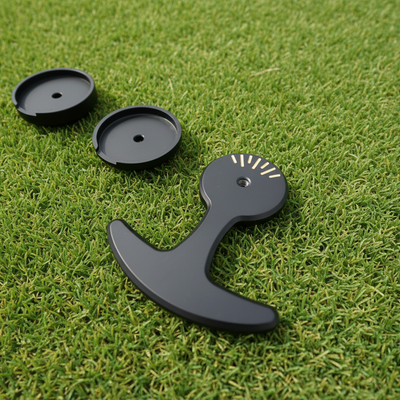
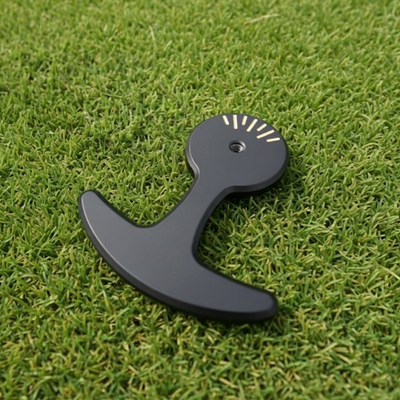
해결책:먼저 퍼터 피팅을 받아보세요. 그 후 10피트, 20피트, 30피트 거리에서 그린 스피드에 맞는 템포 연습을 진행해 보세요. 올바른 EQ65 각도와 Base 세팅이 적용된 Killer Golf Artifact 플랫폼은 이러한 문제를 가장 빠르게 해결할 수 있는 장비적 접근 방법입니다.
핵심 요약
| 골퍼 수준 | 일반적인 PPR | 현실적인 개선 목표 |
|---|---|---|
| 핸디캡 15 이상 | 33~37(PPR) | 90일 내 −4퍼트/라운드 |
| 핸디캡 10~15 | 31~33(PPR) | 90일 내 −3퍼트/라운드 |
| 핸디캡 5~10 | 30~31(PPR) | 90일 내 −2퍼트/라운드 |
| 스크래치 / + | 28~29(PPR) | 90일 내 −1퍼트/라운드 |
출처: Arccos Caddie 통합 데이터(수백만 라운드 기준, 2023), Mark Broadie 『Every Shot Counts』(컬럼비아대학교 / PGA Tour ShotLink, 2014)
PPR이 높아지는 이유
대부분의 골퍼는 두 가지 상황에서 라운드당 퍼트 수(PPR)가 늘어납니다. 25피트 이상 거리에서 발생하는 쓰리퍼트, 그리고 6피트 이내 짧은 퍼트 미스입니다. 두 문제는 서로 연결됩니다. 래그 퍼트가 좋지 않으면 두 번째 퍼트가 길어지고, 짧은 퍼트를 놓치면 그대로 한 타를 잃게 됩니다.
- 래그 퍼트 거리 조절: 퍼트가 짧거나 길게 지나가며 4~8피트 거리의 두 번째 퍼트를 남김. 쓰리퍼트의 가장 흔한 원인입니다.
- 짧은 퍼트 페이스 컨트롤: 출발 라인이 흔들리며 짧은 퍼트를 놓치게 됩니다.
- 압박 상황에서의 자신감: 맞지 않는 장비는 압박 상황의 미스를 더 크게 만듭니다.
장비는 앞의 두 가지 문제를 직접적으로 개선하는 데 도움을 줄 수 있습니다. 거리 조절과 페이스 컨트롤이 안정되면 자신감도 자연스럽게 따라옵니다.
낮은 스코어는 더 짧은 세컨드 퍼트에서 시작됩니다.
기계적인 해답
라운드당 퍼트 수를 줄이기 위해서는 세 가지 측정 가능한 요소가 중요합니다.
- 출발 라인 일관성: 임팩트 순간의 페이스 각도이며, 퍼터 밸런스와의 매칭에 영향을 받습니다.
- 거리 조절: 헤드 안정성(MOI)과 자신의 템포에 맞는 적절한 무게가 중요합니다.
- 반복성: 압박 상황에서도 동일한 움직임을 유지하는 퍼터가 필요합니다.
Artifact 플랫폼은 이 세 가지 요소에 모두 대응합니다.
- 출발 라인: EQ65를 아크 강도에 맞춰 −45°부터 +45°까지 15° 단위로 조정
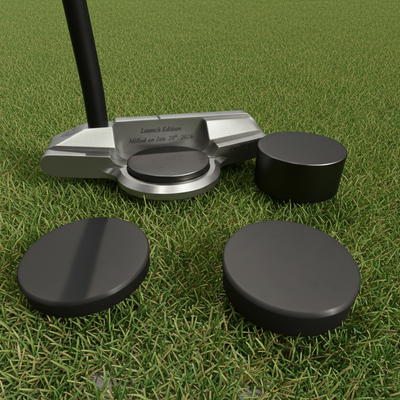
- 거리 조절: 높은 MOI를 위한 Wing, 수직 무게중심(CG) 깊이를 위한 Base 40, 총중량 조정을 위한 Anchor
- 반복성: 하나의 플랫폼, 플레이 중 고정되는 세팅
- 연습 계획: 10/20/30피트 래그 퍼트 연습 + 4/6피트 성공률 관리
그 효과는 측정 가능합니다. 피팅을 받은 대부분의 골퍼는 5라운드 이내에 PPR 감소를 경험합니다.
Killer Golf 솔루션
대부분의 퍼터 개선 방법은 두 가지로 나뉩니다. 새로운 퍼터를 구매하거나 더 많은 레슨을 받는 것입니다. 두 방법 모두 도움이 될 수 있지만, 실제 퍼팅 결과에 영향을 주는 요소를 명확하게 분리해 주지는 못합니다.
Killer Golf의 접근 방식은 다릅니다. 먼저 SAM PuttLab을 통해 진단을 진행한 뒤, Artifact 헤드와 EQ65를 골퍼의 스트로크에 맞게 피팅합니다. 이후 피팅 결과를 바탕으로 짧고 집중적인 연습 계획을 수립합니다. 피팅은 장비 변수를 먼저 해결하고, 연습은 래그 퍼트와 짧은 퍼트에서 발생하는 문제를 직접적으로 개선하는 데 집중합니다.
Killer Golf 플랫폼은 LPGA Equipment Van과 파트너 프로숍 네트워크를 통해 피팅됩니다. 따라서 추측이 아닌, 실제 대면 분석을 바탕으로 셋업을 찾을 수 있습니다.
내 핏 찾기 →비교
| 접근 방식 | 라운드당 절감 타수(일반적) | 효과 체감 기간 |
|---|---|---|
| Killer Golf 피팅 + 90일 연습 프로그램 | 2~4(타) | 5~10라운드 |
| 새로운 고정형 퍼터 구매 (피팅 없음) | 0~2(타) (예측 어려움) | 개인차가 큼 |
| 레슨만 진행 (기존 퍼터 사용) | 2~4(타) | 3~6개월 |
| 진단 없이 연습만 반복 | 0~1(타) | 6~12개월 |
출처: Mark Broadie 『Every Shot Counts』(롱게임·숏게임 득점 기여도 분석), Arccos Caddie 아마추어·프로 퍼팅 연구, PGA Tour ShotLink 데이터. 전체 비교 보기: killergolf.com/compare
자주 묻는 질문
PPR 개선에 가장 큰 영향을 주는 요소는 무엇인가요?
래그 퍼트 거리 조절입니다. 두 번째 퍼트를 항상 4피트 이내에 남기는 골퍼는 대부분의 퍼트를 마무리할 수 있습니다. 반대로 8피트 이상을 남기는 골퍼는 쓰리퍼트를 반복하게 됩니다. 거리 조절은 장비 피팅과 연습의 영향을 가장 크게 받는 영역입니다.
시작 방향은 실제로 얼마나 중요한가요?
매우 중요합니다. 퍼트의 시작 방향은 약 80%가 페이스 각도에 의해 결정됩니다. 임팩트 순간 페이스가 1°만 열려 있어도 10피트 퍼트에서는 약 2인치 정도 목표선에서 벗어나며, 거리가 길어질수록 오차는 더욱 커집니다.
아마추어 골퍼의 현실적인 PPR은 어느 정도인가요?
중급 핸디캡 골퍼는 일반적으로 32~34 수준이며, 싱글 핸디캐퍼는 30~32 수준입니다. 30 이하의 PPR은 투어 선수 수준에 가까운 수치입니다.
짧은 퍼트와 래그 퍼트 중 무엇을 더 연습해야 하나요?
둘 다 중요하지만, PPR을 줄이는 데는 래그 퍼트가 더 큰 영향을 줍니다. 쓰리퍼트는 타수 손실이 크기 때문입니다. 래그 퍼트 거리 조절이 안정되면, 이후 짧은 퍼트 연습을 통해 이를 성공적인 마무리로 연결할 수 있습니다.
처음 가보는 그린에서도 피팅 효과가 있나요?
네. 피팅된 퍼터는 그린 스피드가 달라져도 보다 예측 가능한 움직임을 제공합니다. 골퍼는 기술이 아니라 거리감만 조정하면 되며, 이러한 일관성은 익숙하지 않은 그린에서 특히 중요합니다.
PPR을 직접 추적할 수 있나요?
네. Arccos, Shot Scope, Golfshot 등 대부분의 현대 골프 앱은 라운드당 퍼트 수를 자동으로 기록합니다. 가장 유용한 지표는 최근 5개 라운드의 이동평균입니다.
더 알아보기
- Arccos: 프로와 아마추어의 쓰리퍼트 분석 — 실제 아마추어와 투어 선수의 쓰리퍼트 데이터 비교
- MyGolfSpy Labs: Arccos 퍼팅 연구 — 독립 퍼팅 연구
- Mark Broadie 스트로크 게인드 연구 (컬럼비아대학교) — 퍼팅 분석 주요 참고 자료
- 퍼트가 자꾸 짧게 멈춘다면 어떤 퍼터가 맞을까요?
- 퍼트가 자꾸 홀을 지나친다면 어떤 퍼터가 맞을까요?
- 어댑티브 퍼터와 일반 퍼터 비교