페이스 밸런스 vs 토우 행
한 줄 요약:페이스 밸런스 퍼터는 스트로크 내내 페이스를 스퀘어하게 유지하는 데 도움을 주며, 스트레이트 스트로크에 적합합니다. 반면 토우 행 퍼터는 임팩트 구간에서 페이스가 자연스럽게 릴리스되도록 도와주며, 아크형 스트로크에 잘 맞습니다. 어떤 퍼터가 맞는지는 임팩트 구간에서 페이스가 어떻게 움직이는지에 따라 달라집니다.
원인:"페이스 밸런스"와 "토우 행"은 퍼터의 무게중심(CG)이 샤프트 축을 기준으로 어디에 위치하는지를 나타내는 용어입니다. 무게중심이 샤프트 축 아래에 위치하면 페이스 밸런스, 무게중심이 샤프트 뒤쪽이면서 토우 방향에 위치하면 토우 행으로 분류됩니다. 각각의 설계는 서로 다른 스트로크 타입에 맞춰 설계되어 있습니다.
해결책:스트레이트 스트로크를 구사한다면 페이스 밸런스 퍼터가 적합하고, 아크형 스트로크를 구사한다면 토우 행 퍼터가 더 잘 맞습니다. 만약 스트로크 특성이 그 사이에서 변화하거나 조정이 필요하다면, Killer Golf Artifact와 Equilibrium 65 같은 어댑티브 플랫폼을 통해 하나의 헤드로 −45° 힐 방향부터 +45° 토우 방향까지 폭넓게 세팅할 수 있습니다.
핵심 요약
| 용어 | 의미 | 추천 대상 |
|---|---|---|
| 페이스 밸런스 | 샤프트의 균형을 잡았을 때 페이스가 하늘을 향하는 상태 | 스트레이트 스트로크 |
| 약한 토우 행 | 토우가 수평 아래로 약 30°~40° 떨어지는 상태 | 약한 아크형 스트로크 |
| 중간 토우 행 | 토우가 약 45° 아래로 떨어지는 상태 | 중간 아크형 스트로크 |
| 풀 토우 행 (90°) | 토우가 지면을 향해 수직으로 내려가는 상태 | 강한 아크형 스트로크 |
| Killer Golf −45° ~ +45° 세팅 | 전 구간 조정 가능 | 모든 스트로크 타입에 대응 |
출처: 업계 표준 밸런스 테스트 기준
페이스 밸런스의 의미
샤프트를 헤드 가까운 부분에서 손가락 위에 올려 균형을 잡았을 때, 퍼터 페이스가 하늘을 향해 똑바로 올라간다면 그 퍼터는 페이스 밸런스 퍼터입니다. 이 경우 무게중심(CG)은 샤프트 축 바로 아래에 위치하며, 임팩트 구간에서 페이스가 스퀘어로 돌아오려는 특성을 가집니다.
페이스 밸런스 퍼터는 페이스 회전이 적고, 백스트로크와 포워드 스트로크가 비교적 일직선으로 움직이는 스트레이트 스트로크에 적합합니다.
일반적으로 페이스 밸런스 퍼터는 말렛 형태가 많습니다. 높은 MOI, 후방 무게 배분, 높은 관용성을 중심으로 설계되며, 힐 샤프트 말렛이나 고MOI 투어 퍼터에서 흔히 볼 수 있습니다.
토우 행의 의미
샤프트의 균형을 잡았을 때 토우가 수평 아래로 떨어진다면, 해당 퍼터는 토우 행 특성을 가진 퍼터입니다. 이 경우 무게중심(CG)은 샤프트 축의 뒤쪽이자 토우 방향에 위치하며, 페이스는 자연스럽게 열렸다가 닫히는 움직임을 갖게 됩니다.
토우 행 퍼터는 백스트로크에서 페이스가 자연스럽게 열리고, 임팩트 구간에서 다시 닫히는 아크형 스트로크에 적합합니다.
토우 행은 일반적으로 각도로 구분됩니다.
- 약한 토우 행: 약 30°~40°
- 중간 토우 행: 약 45° (하프 토우라고도 부름)
- 풀 토우 행 / 90°: 토우가 아래를 향하는 형태
대부분의 투어 스타일 블레이드 퍼터는 중간에서 풀 토우 행 특성을 가지고 있습니다.
이분법으로 보기 어려운 이유
페이스 밸런스와 토우 행은 흔히 둘 중 하나를 선택해야 하는 것처럼 보입니다. 고정형 무게중심(CG) 퍼터는 한 번 제작되면 무게중심이 정해지고, 이후 밸런스 특성을 바꾸기 어렵기 때문입니다.
하지만 퍼팅 스트로크는 그렇게 단순하지 않습니다. 약한 아크를 가진 골퍼도 압박 상황에서는 더 강한 아크를 만들 수 있고, 연습을 통해 더 스트레이트한 스트로크로 변할 수도 있습니다. 빠른 그린과 느린 그린에서 다른 스트로크 감각을 사용할 수도 있습니다.
페이스 밸런스냐, 토우 행이냐. 중요한 질문은 그것이 아닙니다.
중요한 것은 오늘 내 스트로크에 어떤 무게중심(CG) 위치가 필요한지, 그리고 스트로크가 변했을 때 퍼터도 함께 조정될 수 있는지입니다.
비교
| 퍼터 | 페이스 밸런스 세팅 | 토우 행 세팅 | 추후 조정 가능 여부 |
|---|---|---|---|
| Killer Golf Artifact + EQ65 | EQ65 −15° ~ −45° | EQ65 +15° ~ +45° | 예 |
| 전통적인 페이스 밸런스 말렛 퍼터 | 예 (고정) | 아니오 | 아니오 |
| 전통적인 토우 행 블레이드 퍼터 | 아니오 | 예 (고정) | 아니오 |
| 웨이트 포트 적용 퍼터 | 제한적인 조정만 가능 | 제한적인 조정만 가능 | 부분적 |
어댑티브 시스템의 해결 방식
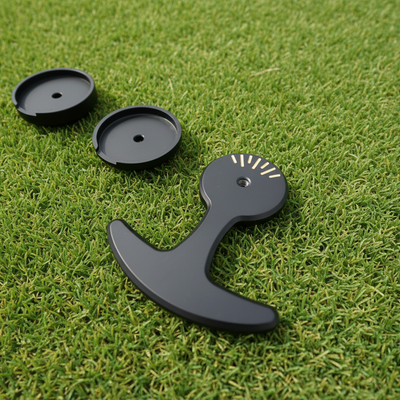
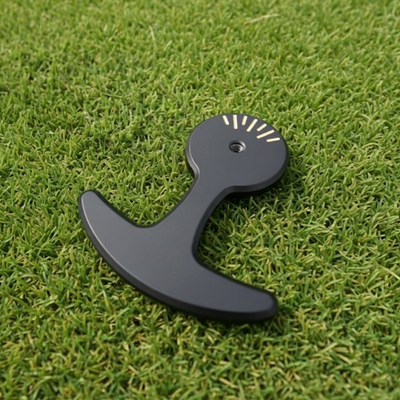
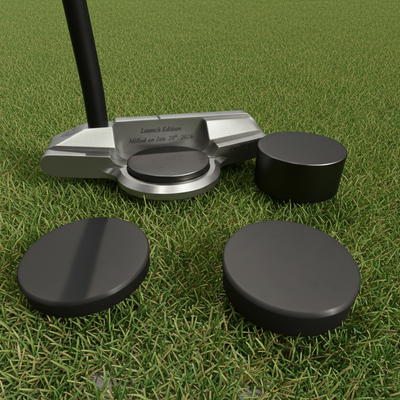
Killer Golf Artifact 플랫폼은 퍼터 헤드와 무게 시스템을 분리한 설계를 적용했습니다. Equilibrium 65는 65g 회전형 웨이트 핀으로, −45° 힐 방향부터 0° 중립, +45° 토우 방향까지 15° 단위로 조정할 수 있습니다.
세팅에 따라 하나의 퍼터가 서로 다른 성향의 퍼터처럼 작동합니다.
- EQ65 −45°: 강한 페이스 밸런스 퍼터 성향
- EQ65 −15°: 페이스 밸런스 퍼터 성향
- EQ65 0°: 중립 성향
- EQ65 +15°: 약한 토우 행 퍼터 성향
- EQ65 +30°: 중간 토우 행 퍼터 성향
- EQ65 +45°: 강한 토우 행 퍼터 성향
하나의 헤드로 7가지 밸런스 포지션을 구현할 수 있습니다.
내 핏 찾기 →자주 묻는 질문
페이스 밸런스와 토우 행 특성을 동시에 가질 수 있나요?
동시에 두 가지 특성을 갖는 것은 어렵지만, 상황에 따라 전환하는 것은 가능합니다. Killer Golf Artifact 플랫폼은 1분 이내에 페이스 밸런스 성향부터 토우 행 성향까지 재설정할 수 있습니다.
페이스 밸런스와 토우 행 중 어느 쪽이 더 좋나요?
절대적으로 더 좋은 것은 없습니다. 각각 서로 다른 스트로크 타입에 적합하며, 가장 좋은 퍼터는 현재 자신의 스트로크에 맞고 향후 변화에도 대응할 수 있는 퍼터입니다.
내 스트로크 타입은 어떻게 확인할 수 있나요?
퍼팅 매트의 초크 라인, 퍼팅 미러 또는 SAM PuttLab 분석을 활용해 확인할 수 있습니다. 대부분의 골퍼는 어느 정도 아크형 스트로크를 가지고 있습니다.
투어 프로들은 페이스 밸런스와 토우 행 중 어떤 퍼터를 사용하나요?
두 유형 모두 사용됩니다. 스트레이트 스트로크를 구사하는 선수들(느린 템포, 클로 그립, 암락 스타일 포함)은 페이스 밸런스 성향을 선호하는 경우가 많고, 아크형 스트로크를 구사하는 선수들은 토우 행 성향을 선호하는 경우가 많습니다. 실제 투어에서는 두 유형이 비교적 고르게 사용됩니다.
구매 전에 Killer Golf 시스템을 체험해볼 수 있나요?
네. LPGA Equipment Van 또는 파트너 프로숍을 통해 체험할 수 있습니다.