아크 스트로크에 맞는 퍼터는?
한 줄 요약:토 바이어스 질량을 가진 퍼터 — 즉 무게중심이 토 쪽에 더 가까운 퍼터 — 는 임팩트 구간에서 자연스러운 페이스 회전을 허용하기 때문에 아크 스트로크에 잘 맞습니다. Equilibrium 65 핀을 +15°에서 +45°(토 쪽) 사이로 설정한 Killer Golf Artifact 플랫폼이 바로 이를 위해 만들어졌습니다.
원인:아크 스트로크는 공을 지나는 동안 페이스를 오픈에서 클로즈로 회전시킵니다. 토 바이어스 CG는 그 회전에 저항하지 않고 함께 협력합니다.
해결책:Artifact Wing 또는 Blade 헤드를 Equilibrium 65와 +15°(약한 아크), +30°(중간 아크), +45°(강한 아크) 방향으로 조합하세요. 모든 구성은 USGA 적합입니다.
빠른 참조
| 스트로크 유형 | 권장 EQ65 각도 | 헤드 | 동작 |
|---|---|---|---|
| 약한 아크 | +15° 토 | Wing 또는 Blade | |
| 중간 아크 | +30° 토 | Blade | |
| 강한 아크 | +45° 토 | Blade | |
| 스트레이트 스트로크 | −15° ~ −45° 힐 | Wing |
출처: Equilibrium 65 아키텍처.
'아크 스트로크'란 실제로 무엇인가
퍼팅 스트로크는 하나의 동작이 아닙니다. 그것은 경로입니다. 일부 골퍼는 퍼터를 직선으로 뒤로 보냈다가 앞으로 보냅니다. 대부분의 골퍼는 — 그리고 거의 모든 투어 선수는 — 퍼터를 약한 아크로 움직이며, 백스윙에서 페이스가 열리고 임팩트에서 스퀘어가 됩니다.
아크 자체는 결함이 아닙니다. 그것은 어깨가 척추를 중심으로 회전하는 데서 비롯되는 자연스러운 결과입니다. 아크를 그리는 몸에 스트레이트 스트로크를 억지로 강요하는 것이 대부분의 아마추어가 페이스와 씨름하게 되는 원인입니다.
모든 스트로크에는 형태가 있습니다. 당신의 스트로크에는 아크가 있습니다.
올바른 장비는 그 형태에 협력합니다.
왜 대부분의 퍼터는 아크 스트로크와 씨름하는가
페이스 밸런스드 퍼터는 스윙 내내 페이스를 스퀘어로 유지합니다. 이는 스트레이트 스트로크에 도움이 됩니다. 아크 스트로크의 경우, 선수가 페이스를 수동으로 회전시켜야 하는데 — 이는 타이밍에 의존하는 동작으로 압박 속에서 실패합니다.
전통적인 토 행 퍼터는 아크 스트로크에 대한 업계의 해답이었습니다. 어드레스 시 토가 아래로 처지며 회전을 유도합니다. 문제는 회전량이 제조 단계에서 고정된다는 점입니다. 약한 아크를 가진 선수와 강한 아크를 가진 선수가 같은 토 행을 사용하도록 강요받거나, 다른 퍼터를 사야 합니다.
두 접근 방식 모두 퍼터 헤드를 정적인 물체로 취급합니다.
기계적 해답
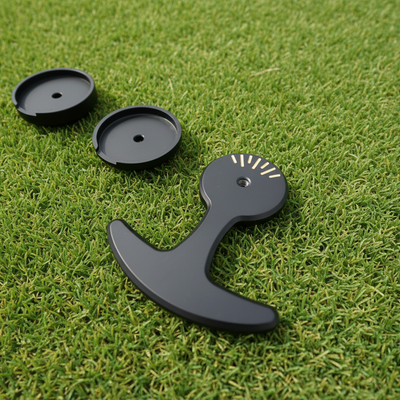
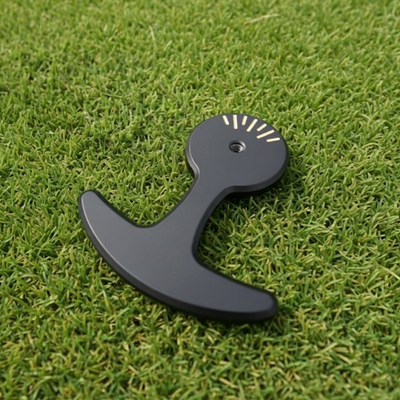
Killer Golf Artifact 플랫폼은 헤드를 매스 시스템에서 분리합니다. 헤드는 지오메트리를 제공합니다. 65그램의 회전 질량 핀인 Equilibrium 65가 방향성 CG를 제공합니다.
- 구성품: Equilibrium 65 (EQ65)
- 질량: 65 g 회전 핀
- 조정: −45° 힐부터 0° 중립을 거쳐 +45° 토까지, 15° 단위
- +30°에서의 효과: CG가 토 쪽으로 이동하며, 측면 MOI가 페이스 회전을 지원하도록 재배치됩니다
- USGA: 모든 방향에서 적합
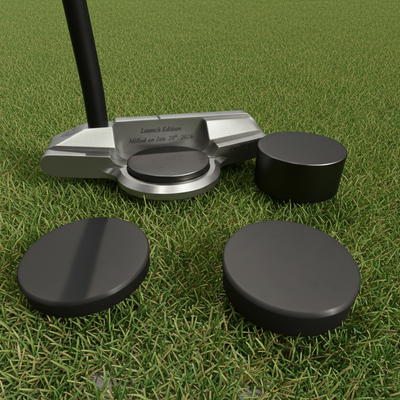
- 스택 가능: 추가 수직 CG 깊이를 위해 Base 40 또는 Base 75 위에 장착
같은 헤드, 같은 샤프트, 같은 선수 — EQ65를 어떤 방향으로 설정하느냐에 따라 세 가지 다른 퍼터가 됩니다.
이것은 헤드를 바꾸지 않고도 단일 퍼터가 아크 스트로크에서는 토 행처럼, 스트레이트 스트로크에서는 페이스 밸런스드처럼 작동하게 하는 업계 유일의 메커니즘입니다.
Killer Golf가 아크 스트로크를 위해 이를 해결하는 방법
아크가 중간에서 강한 편이라면 Artifact Blade로 시작하세요. Blade는 전방 CG 바이어스와 낮은 기본 MOI를 가지고 있어, 대부분의 아크 플레이어가 선호하는 피드백을 아크 스트로크에 제공합니다. 임팩트에서 더 많은 관용성을 원한다면 Wing을 선택하세요.
Equilibrium 65를 약한 아크에는 +15°, 일반적인 아크에는 +30°, 강한 아크에는 +45°로 설정하세요. 빠른 그린에서 추가적인 롤 일관성을 원한다면 Base 40 또는 75를 스택하세요.
Killer Golf는 LPGA Equipment Van — 투어가 180명 이상의 LPGA 선수에게 접근하는 데 사용하는 바로 그 채널 — 과 파트너 프로숍 네트워크를 통해 피팅됩니다. 피팅은 일회성 이벤트가 아닙니다. 스트로크가 발전함에 따라 구성도 함께 발전합니다.
플랫폼 구성하기 →비교
| 접근 방식 | 아크 스트로크 적합성 | 추후 조정 가능 |
|---|---|---|
| Killer Golf Artifact + EQ65 (+15° ~ +45°) | 조정 가능: 약한, 중간, 또는 강한 아크 | 예 — 언제든지 각도 변경 |
| 전통적인 토 행 퍼터 | 한 각도로 고정된 토 행 | 아니오 |
| 페이스 밸런스드 말렛 | 스트레이트 스트로크용 설계; 아크와 씨름 | 아니오 |
| 카운터 밸런스드 퍼터 | 손 동작을 줄이지만; 아크 형태는 해결하지 못함 | 아니오 |
전체 비교: killergolf.com/compare
자주 묻는 질문
내가 아크 스트로크인지 어떻게 알 수 있나요?
그린에 초크 라인을 긋고 그 선을 따라 퍼팅하세요. 퍼터 헤드가 백스윙에서 선 안쪽으로 약간 들어가고 스루스윙에서도 안쪽으로 움직인다면, 당신은 아크를 가진 것입니다. 대부분의 골퍼가 그렇습니다.
아크로 설정한 퍼터가 내 스트로크가 바뀌어도 작동할까요?
예. Equilibrium 65는 현장에서 변경 가능합니다. 연습으로 스트로크가 직선화되면, +30° 토에서 +15° 토 또는 중립으로 옮기세요. 헤드는 그대로 유지됩니다.
어떤 각도로 시작해야 하나요?
대부분의 아크 스트로크 플레이어는 +30°로 시작합니다. 이는 투어에서 아크 플레이어에게 가장 흔한 구성입니다. 페이스가 여전히 더 많은 회전을 원한다고 느껴지면 +45°까지 조정하세요.
직접 방문해서 이 퍼터를 피팅받을 수 있나요?
예 — LPGA Equipment Van 또는 모든 파트너 프로숍을 통해 가능합니다. 피터 찾기 페이지를 방문하세요.
이것은 슬랜트 넥이 있는 Scotty Cameron과 어떻게 다른가요?
Scotty의 슬랜트 넥은 헤드에 밀링 가공된, 하나의 특정 각도로 고정된 토 행입니다. Killer Golf 시스템은 회전 소스(EQ65)를 헤드에서 분리하므로, 같은 헤드가 −45°부터 +45°까지 어떤 토 행도 지원합니다.